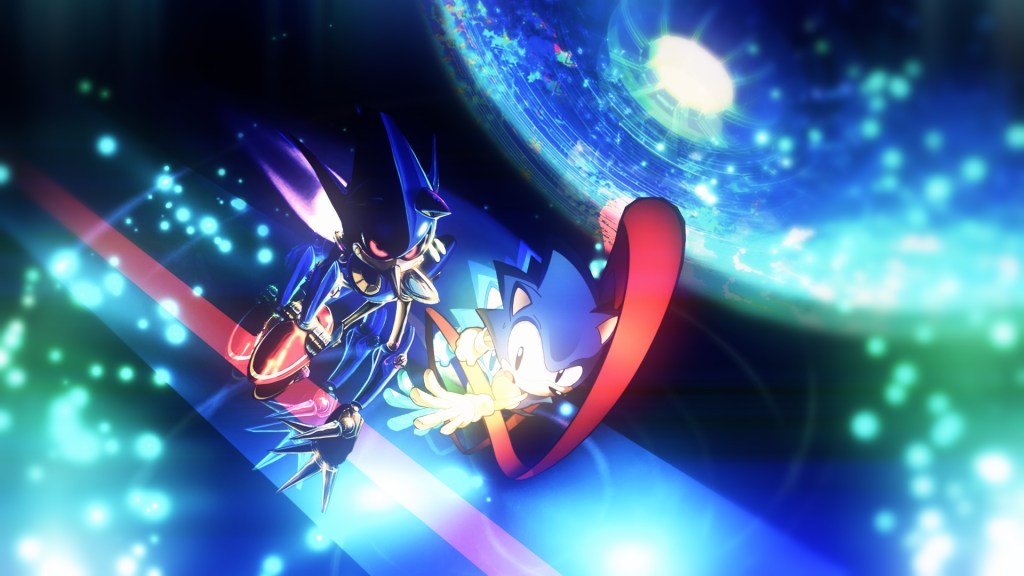
Sonic the Hedgehog has been at the forefront of gaming for decades, capturing the hearts of players around the world. Yet, among the classic Sonic titles, one game stands out as a fascinating anomaly: Sonic CD. This unique entry in the franchise has divided fans with its distinct game design and time-travel theme, sparking intense discussions within the Sonic community.
The story of Sonic CD begins in the wake of the first Sonic the Hedgehog’s astounding success. Sega’s development teams wasted no time in creating follow-up titles. In parallel, two Sonic development teams took divergent paths. One, led by Yuji Naka and Hirokazu Yasuhara, collaborated with Mark Cerny at Sega Technical Institute in the United States to create Sonic the Hedgehog 2. The other team, consisting of original Sonic Team members in Japan, embarked on crafting a Sonic game for the burgeoning Mega-CD (known as Sega CD in western markets) add-on.
The Mega-CD system was struggling in Japan but held promise abroad, especially in light of the impending CD-ROM competition with Nintendo. Sonic CD was intended to be a system-seller for the Mega-CD, showcasing the potential of CD-based gaming.
Initial concepts for Sonic CD included a revamped version of the original Sonic game, akin to other Mega-CD titles. However, this idea was soon abandoned in favor of creating a brand-new Sonic adventure that fully harnessed the capabilities of the CD format. This marked the beginning of Sonic CD’s unique evolutionary path.
During the initial planning stages, the two Sonic development teams exchanged basic game concepts. Interestingly, the time-travel mechanic, a central element of Sonic CD, was initially considered for Sonic 2. It remains unclear which team first conceived this idea, or if both teams independently developed it. However, the time-travel concept ultimately found a home in Sonic CD, allowing players to traverse different time periods, each with its own visual design and soundtrack.
Sonic CD’s level design diverged significantly from Sonic 2. While Sonic 2 featured mostly linear levels with various speed gimmicks, Sonic CD opted for more intricate, exploratory stages. Players could backtrack and thoroughly explore each level in different time periods, necessitating careful consideration of speed and exploration.
The game’s stage gimmicks were wildly experimental, featuring elements not seen in other classic Sonic titles. These included foreground-background shifts, bouncing brass-tubing tunnels, spinning pistons, and electrified floors in stages like Wacky Workbench. While some fans found these gimmicks challenging, they added unique depth to Sonic CD’s gameplay.
Sonic CD’s design allowed for extensive exploration, uncovering secrets and playful gimmicks that enriched the gameplay experience. It also showcased the Mega-CD’s graphical prowess, with vibrant visuals that defied the console’s color limitations.
Sonic CD’s distinctiveness lies in its willingness to encourage players to slow down, explore thoroughly, and appreciate its intricate level design and visual aesthetics. While it maintained Sonic’s trademark speed and momentum, it struck a balance that challenged fans’ preconceptions of Sonic games.
Despite Sonic CD’s unique design and impact on the franchise, it did not achieve the same level of commercial success as other titles. Nevertheless, its enduring legacy and influence on subsequent Sonic games, including the introduction of characters like Amy Rose and Metal Sonic, make it a subject of ongoing fascination for fans.
As Sonic Superstars pays homage to classic Sonic titles and Sonic CD’s director returns in a design role, fans eagerly anticipate how the game will draw inspiration from this unique entry. Perhaps we may even see the return of iconic elements like the electrified floors of Wacky Workbench.
Sonic CD remains a testament to the evolution and experimentation within the Sonic franchise, making it a captivating chapter in the blue blur’s storied history.
Sonic CD, a game that defies traditional Sonic conventions, has left an indelible mark on the franchise’s history. Despite its divisive nature within the Sonic community, it remains a testament to the willingness to experiment and evolve, paving the way for future Sonic titles.
As Sonic CD introduced characters like Amy Rose and Metal Sonic, it expanded the Sonic universe and added depth to the lore. The controversy surrounding the North American release’s music replacement also added to the game’s mystique. The various reissues of Sonic CD have allowed fans to revisit and explore its unique design and gameplay.
One of the most intriguing aspects of Sonic CD is its distinct design philosophy. While Sonic 2 was in development in the United States, Sonic CD’s Japanese team took a different approach. They embraced the time-travel concept, which became the game’s defining feature. Sonic CD allowed players to shift between different time periods, each with its own visual and auditory identity. This idea added layers of complexity to level design, encouraging exploration and backtracking.
The stages in Sonic CD are notable for their creative gimmicks and experimentation. From foreground-background shifts to electrified floors in Wacky Workbench, Sonic CD introduced elements that set it apart from its predecessors. These unique features challenged players to adapt and navigate Sonic’s world in novel ways.
Despite Sonic CD’s innovative design, it did not achieve the same commercial success as other Sonic titles. However, its impact on the franchise’s future cannot be overstated. The enduring fascination with Sonic CD among fans showcases its lasting legacy.
As Sonic Superstars pays homage to classic Sonic games and Sonic CD’s director returns to contribute to its design, fans eagerly anticipate how the game will draw inspiration from this unique entry. Could we see the return of iconic elements like the electrified floors of Wacky Workbench?
Sonic CD represents a critical juncture in Sonic’s journey—an exploration of new ideas and gameplay mechanics that challenged preconceptions and expanded the Sonic universe. It may have divided fans, but its impact on the franchise is undeniable.
 Aiden Crawford's Blog