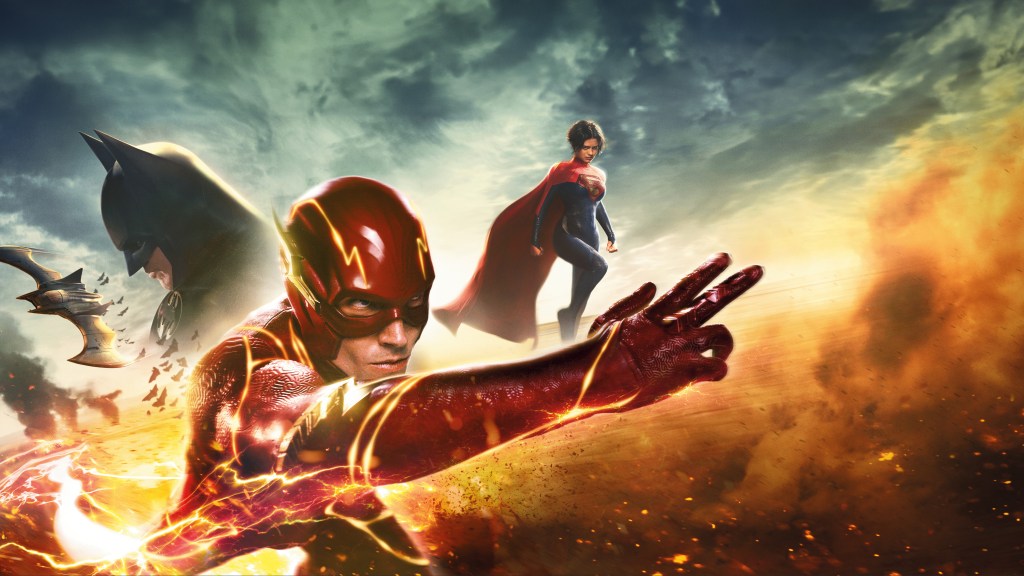
The upcoming DC Comics superhero movie, The Flash, has been making headlines not only for its highly anticipated release but also for its unique approach to distribution. Warner Bros. has announced that The Flash will be available as a Non-Fungible Token (NFT) on the same day it releases on digital platforms. This move brings blockchain technology into the realm of the games industry and opens up new possibilities for digital collectibles and immersive experiences. Let’s explore how this decision could impact the games industry as a whole.
Before delving into the innovative NFT release, it is important to acknowledge the controversies surrounding The Flash star Ezra Miller. The actor has faced legal incidents and allegations that have generated significant scrutiny. Warner Bros. stood behind Miller despite the controversies, and the decision to release The Flash as an NFT indicates their commitment to the project and its star.
The Flash Web3 Movie Experience will be available for purchase on July 18 through the blockchain service Eluvio. Buyers can acquire the film in 4K Ultra HD resolution, along with special features, artwork, and augmented reality (AR) collectibles. This innovative approach allows fans to not only watch the movie but also engage with unique digital content related to the film.
Two NFT options will be available for The Flash Web3 Movie Experience. The “Mystery” edition, priced at $35, offers randomly selected character-based key art and dynamic menu interfaces. This edition will be limited to 10,000 copies. On the other hand, the “Premium” edition, limited to 2,000 copies and priced at $100, includes motion art, all four dynamic menu interfaces, and exclusive special features.
The introduction of NFTs in the context of The Flash opens up new possibilities for digital collectibles within the games industry. With NFTs, players and fans can own unique and verifiable digital assets, such as character art, exclusive items, or in-game collectibles. This integration of blockchain technology provides a secure and transparent way to trade and showcase these digital assets, creating new avenues for engagement and monetization.
The Flash’s foray into the NFT space signals a growing trend within the games industry. As blockchain technology continues to evolve, we can expect to see more game developers and publishers exploring the potential of NFTs and blockchain-based experiences. This shift towards digital collectibles and tokenized assets has the potential to revolutionize in-game economies, enhance player engagement, and create new revenue streams for developers.
The inclusion of NFTs in The Flash’s release marks an exciting step forward for the games industry and its integration with blockchain technology. By embracing NFTs, Warner Bros. is opening doors to new possibilities for digital collectibles and immersive experiences. As the industry continues to evolve, we can anticipate further exploration of blockchain-based initiatives and the transformative impact they may have on gaming experiences. The Flash’s NFT release may serve as a catalyst for future innovations within the games industry, shaping the way players engage with their favorite franchises and introducing new avenues for creativity and monetization.
The convergence of blockchain technology and the entertainment industry has brought about a new wave of innovation and opportunities. Warner Bros.’ announcement that the highly anticipated DC Comics superhero movie, The Flash, will be available as an NFT (non-fungible token) on the same day of its digital release has generated significant buzz. This move has the potential to reshape the gaming industry and open up new avenues for digital collectibles and immersive experiences. In this article, we will delve into the implications of The Flash NFT release and its impact on the games industry.
Non-fungible tokens have gained considerable traction in the gaming space in recent years. NFTs enable players to own and trade unique, digital assets with provable scarcity and authenticity. These assets can range from in-game items and skins to virtual real estate and collectible characters. NFTs have revolutionized ownership in gaming, providing players with true ownership and the ability to monetize their virtual possessions. The Flash NFT release represents a significant step forward in leveraging the power of NFTs within the superhero genre and the broader gaming landscape.
Warner Bros.’ decision to offer The Flash as an NFT through the Flash Web3 Movie Experience introduces a novel way for fans to engage with the film and its associated digital content. Purchasers of the NFT will gain access to the movie in 4K Ultra HD resolution, exclusive special features, artwork, and augmented reality (AR) collectibles. This unique offering blends the cinematic experience with the world of blockchain, providing an immersive and collectible-driven experience for fans.
The Flash NFT release offers two distinct options for buyers. The “Mystery” edition, priced at $35, provides a randomly selected character-based key art piece and dynamic menu interfaces. Limited to 10,000 copies, this edition offers a sense of exclusivity and rarity to collectors. On the other hand, the “Premium” edition, priced at $100, includes motion art, all four dynamic menu interfaces, and exclusive special features. Limited to just 2,000 copies, this edition appeals to avid fans and collectors seeking the highest level of exclusivity.
Buyers of The Flash Web3 Movie Experience will also receive a voucher to claim a DC3 Super Power Pack NFT from the DC NFT Marketplace. This additional offering adds value to the NFT purchase, providing fans with digital comics featuring varying rarity levels. This integration showcases the potential for cross-platform collaborations between movies, comics, and gaming, creating a unified fan experience within the DC universe.
The introduction of The Flash NFT release marks an important milestone in the adoption of NFTs in the games industry. It demonstrates the increasing recognition of NFTs as a valuable medium for digital content distribution and monetization. By extending the NFT experience beyond gaming itself and into the realm of movies, studios like Warner Bros. are paving the way for new forms of audience engagement and revenue generation.
The success and reception of The Flash NFT release will likely influence future decisions regarding NFT integration in the gaming industry. As more studios explore the potential of blockchain technology and NFTs, we can expect to see further experimentation with unique and interactive experiences. This could include NFT-based in-game events, exclusive digital collectibles tied to blockbuster releases, and enhanced ownership and trading mechanisms for players.
The Flash NFT release by Warner Bros. represents a significant step forward in leveraging blockchain technology and NFTs in the entertainment industry. By combining the cinematic experience with digital collectibles and exclusive content, this innovative offering opens up new possibilities for fan engagement and revenue streams. As the games industry continues to embrace NFTs, we can anticipate a future where ownership, interactivity, and immersive experiences converge to shape the next generation of gaming.

