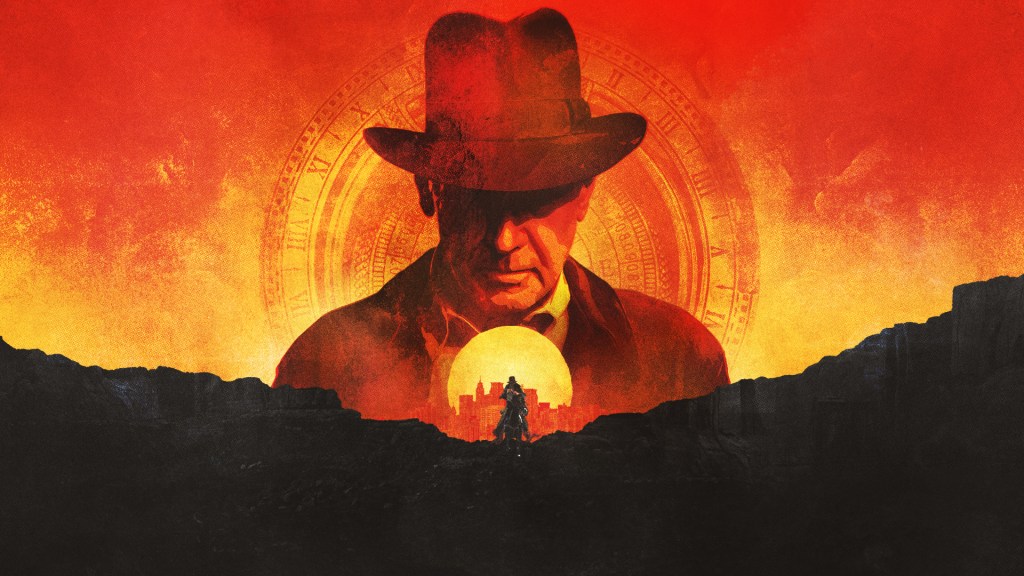
Disney’s latest venture into the Indiana Jones franchise, titled “Indiana Jones and the Dial of Destiny,” has faced a disappointing reception at the box office. Despite high hopes and the iconic character of Indiana Jones, the film’s performance has fallen short of expectations. With underwhelming domestic ticket sales of $24 million and projections of around $60 million for the opening weekend, it seems that audiences are not as enthusiastic about the movie as anticipated. This article explores the factors contributing to the film’s underperformance and reflects on the broader trends in Disney’s intellectual property-driven approach.
After premiering at the Cannes Film Festival, “The Dial of Destiny” received mixed reviews from critics. Although it garnered a five-minute standing ovation, subsequent assessments were less favorable. Audiences, as indicated by the CinemaScore of “B+,” also seem to have a lukewarm response to the film. Considering its high production budget of $295 million and the established brand name of “Indiana Jones,” the lackluster audience reaction is particularly noteworthy.
Various factors could have contributed to the underwhelming performance of “The Dial of Destiny.” The concept of superhero fatigue, combined with bad trailers or lingering disappointment from “Indiana Jones and the Kingdom of the Crystal Skull,” may have affected audience interest. It is difficult to pinpoint a single cause as Disney’s other recent releases have also struggled to generate substantial excitement among viewers. “The Mandalorian” Season 3, “Quantumania,” “Elemental,” “The Little Mermaid,” and “Secret Invasion” have all faced challenges at the box office or on television, indicating a possible downturn in enthusiasm for Disney’s intellectual property parade.
The underperformance of “The Dial of Destiny” highlights a broader trend in Disney’s reliance on established intellectual properties. While recognizable IPs are often highly sought after, Disney’s recent releases have not consistently met audience expectations. Sony’s “Across the Spider-Verse” is shaping up to be a summer blockbuster, Universal’s “Super Mario Bros.” has achieved significant success, and Warner Bros.’ “Barbie” is generating substantial hype. Perhaps it is time for Disney to reevaluate its strategy and explore new creative avenues, moving away from a constant stream of sequels, remakes, and reboots.
The lackluster box office performance of “Indiana Jones and the Dial of Destiny” serves as a reality check for Disney. It indicates a decline in audience excitement for their intellectual property-driven approach. While it is challenging to pinpoint the exact reasons behind the film’s underperformance, it prompts Disney to consider diversifying its content and exploring fresh and original ideas. As audiences continue to seek engaging and innovative experiences, Disney’s success may lie in breaking away from the sequel and remake formula and embracing new storytelling possibilities. Only time will tell if Disney can regain its box office prowess with a different approach and captivate audiences once again.
Indiana Jones has long been an iconic and beloved character in the world of cinema, captivating audiences with his daring adventures and witty charm. However, Disney’s latest installment in the franchise, “Indiana Jones and the Dial of Destiny,” seems to have missed the mark with audiences. Despite the high expectations and the prominence of the Indiana Jones brand, the film’s box office performance has been underwhelming.
With a domestic ticket sales total of $24 million and projections placing it in the $60 million range for the weekend, “Indiana Jones and the Dial of Destiny” is falling short of the success Disney had hoped for. The reception from critics at the Cannes Film Festival was lukewarm, with mixed reviews following its premiere. While a five-minute standing ovation at Cannes may have generated some initial buzz, it appears that audiences aren’t connecting with the film as anticipated.
One possible factor contributing to the film’s lackluster performance could be franchise fatigue. Superhero films have dominated the box office in recent years, and audiences may be experiencing a saturation of larger-than-life characters and high-stakes adventures. Additionally, the disappointment surrounding “Indiana Jones and the Kingdom of the Crystal Skull,” the previous installment in the series, may have left a lingering skepticism among viewers.
However, it’s important to note that Disney’s recent intellectual property releases have also faced challenges. The last season of “The Mandalorian” didn’t generate the same level of excitement as its earlier seasons, and films like “Quantumania” and “Elemental” failed to make a significant impact at the box office. This downturn in enthusiasm for Disney’s intellectual property parade suggests that audiences may be craving something fresh and innovative rather than sequels, remakes, and reboots.
While it’s too early to draw definitive conclusions about the overall state of Disney’s properties, it highlights the need for the studio to explore new avenues and take creative risks. Relying solely on established franchises and recognizable IPs may not guarantee success in an ever-changing and competitive entertainment landscape. Audiences are seeking unique storytelling experiences and fresh narratives that resonate with their evolving tastes.
Perhaps it’s time for Disney to step back from the sequel, remake, and reboot formula and invest in original stories and concepts. While the allure of nostalgia and familiar characters is strong, it’s crucial to balance it with innovative and captivating storytelling that captures the imagination of audiences. Taking risks and embracing new creative directions may reinvigorate Disney’s offerings and restore the excitement that has been waning in recent releases.
Ultimately, the fate of the Indiana Jones franchise and Disney’s broader intellectual property lineup will depend on the studio’s ability to adapt to changing audience preferences and deliver fresh and compelling content. It remains to be seen if Disney will heed the call for something different and find success outside the realm of familiar franchises. Only time will tell if a new approach will reignite the spirit of adventure and captivate audiences once again.
 Aiden Crawford's Blog