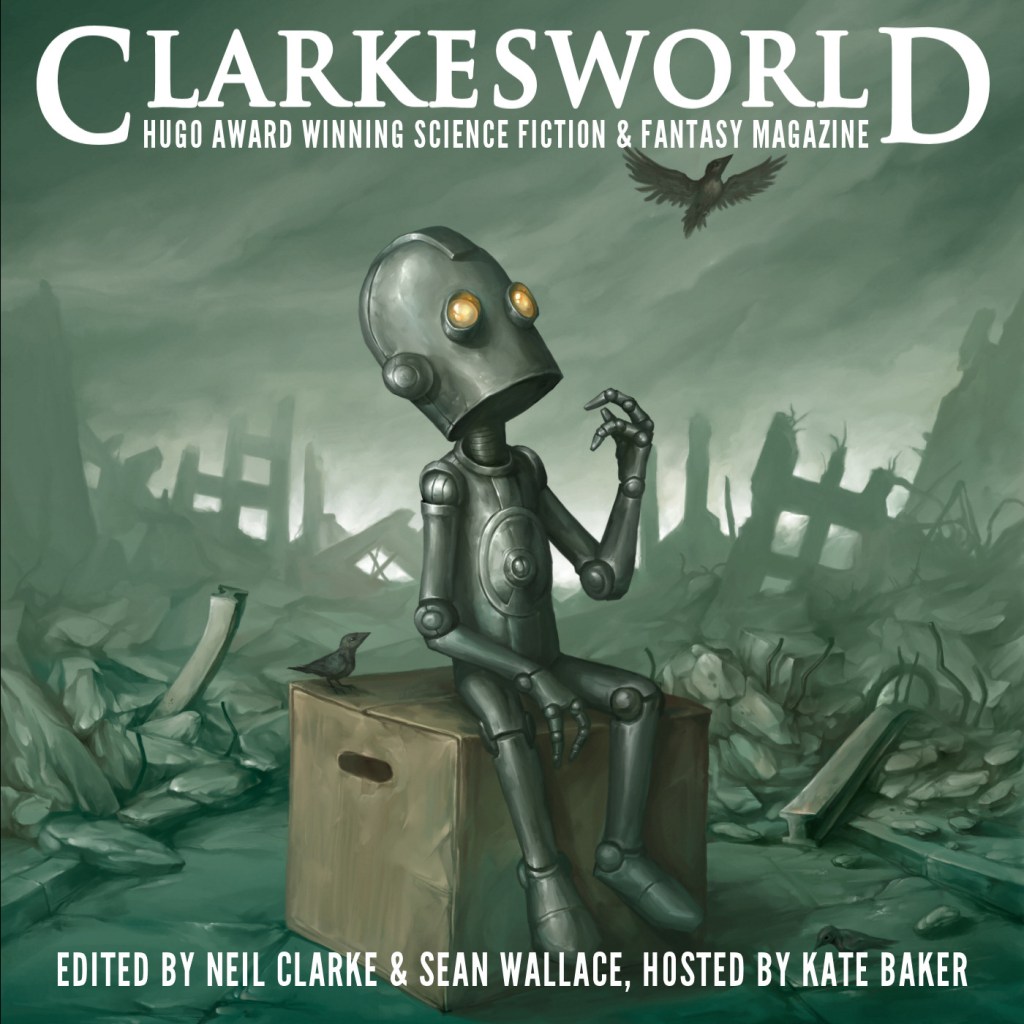
The prolific science fiction publication, Clarkesworld Magazine, has been forced to suspend submissions due to the rise of artificially intelligent (AI) writing. Over a third of submissions received in 2023 had been generated by machines and submitted by humans attempting to cheat the system. The situation has become so prevalent that Neil Clarke, the magazine’s editor, made the decision to close submissions entirely, stating that he could not “play whack-a-mole” all day. It is currently unclear how Clarke was able to identify the AI-generated submissions, as he has kept this information confidential to avoid giving cheaters an advantage. However, he did confirm that the poor quality of the AI-generated works made them easy to spot. Clarke warns that AI-generated writing poses significant ethical concerns that need to be addressed before it can be published. Despite the growing capabilities of AI chatbots, Clarke believes it will be some time before they are capable of creating stories that rival those of human authors. Furthermore, he emphasises that the speed at which machines can produce writing puts human writers at a disadvantage.
There are also concerns about the potential misuse of AI-generated content for propaganda or disinformation purposes. If AI can create convincing stories or articles that are difficult to distinguish from human-written ones, it could be used to spread false information or manipulate public opinion.
Despite the challenges and risks, it’s clear that AI-generated content is here to stay. As AI technology continues to advance, it’s likely that we’ll see more and more AI-generated content in various forms, from news articles to novels to movies. The question is how we’ll adapt to this new reality and find ways to ensure that AI is used responsibly and ethically.
For now, Clarkesworld Magazine and other publishers will need to find new ways to detect and filter out AI-generated submissions, while also working to promote and support genuine human creativity. It’s a difficult and ongoing challenge, but one that’s essential for preserving the integrity of the art of writing and storytelling.
However, as Neil Clarke points out in his article, there are no easy solutions to this problem. Detecting AI-written content is a difficult and time-consuming process, and relying on third-party tools is not a reliable solution. Moreover, simply banning submissions from certain regions or imposing other short-term measures is unlikely to be effective in the long run.
Ultimately, the rise of AI-written content poses a significant challenge to the publishing industry, and especially to science fiction magazines like Clarkesworld that have helped launch the careers of many talented writers over the years. As Clarke notes in his article, short fiction needs new and international authors to thrive, and the proliferation of machine-generated content threatens to undermine this vital ecosystem.
Despite these challenges, however, Clarke remains optimistic about the future of science fiction and the role that Clarkesworld can play in nurturing new talent. As he writes in his article, “we will adapt and find new ways to support the authors and readers who make Clarkesworld what it is. We will not give up on science fiction, on short fiction, or on the possibility of discovering new voices in this genre that we love.”

